
How to Start an Ecommerce Business Without Money
Last updated November 17, 2026
You can start an ecommerce business without money by using dropshipping or print-on-demand models that eliminate inventory costs, building your store on a free platform, and automating product descriptions and pricing with AI. Focus on reactivating existing contacts, owning your customer list from day one, and running manual SEO audits instead of paying for traffic.
Table of contents
- 1. Register Your Business Structure
- 2. Choose Your Zero-Inventory Ecommerce Model
- 3. Build Your Free Ecommerce Store
- 4. Automate Product Descriptions and Pricing with AI
- 5. Drive Free Traffic and Own Your Customer Data
- 6. Avoid Common Mistakes That Kill Zero-Budget Launches
- Take the Next Step
- Frequently asked questions
1. Register Your Business Structure
Sole proprietorship is the simplest and cheapest legal structure for a one-person ecommerce business, requiring only a DBA filing at your county clerk's office for under fifty dollars. This type of business keeps costs minimal and protects you legally during your first year before you need to consider more complex structures.
You need an email address and a system to collect customer information. Time commitment runs 10 to 15 hours per week in the first month to set up your store, write initial product listings, and configure automated follow-up sequences. Total startup cost stays between zero and fifty dollars, covering only domain registration if you want a custom web address instead of a free subdomain.
2. Choose Your Zero-Inventory Ecommerce Model
Dropshipping is a fulfillment method where the store doesn't keep products in stock, allowing you to purchase items from suppliers only after customers order. Print on demand is a process where products are customized only after a customer makes a purchase, eliminating unsold inventory sitting in storage.
The types of ecommerce include business to consumer stores selling directly to individuals, business to business operations serving other companies with bulk or specialized products, and membership sites offering digital products. Dropshipping works best for general products with established suppliers, while print on demand fits custom designs and branded merchandise.
Digital memberships have the highest margins because fulfillment is instant and free. Founders frequently generate significant revenue by building a membership funnel around existing content without needing physical product manufacturing.
| Model | Best For | Upfront Cost | Fulfillment Speed |
|---|---|---|---|
| Dropshipping | General products | $0 | 5-14 days |
| Print on Demand | Custom designs | $0 | 3-7 days |
| Digital Products | Courses, templates | $0 | Instant |
3. Build Your Free Ecommerce Store
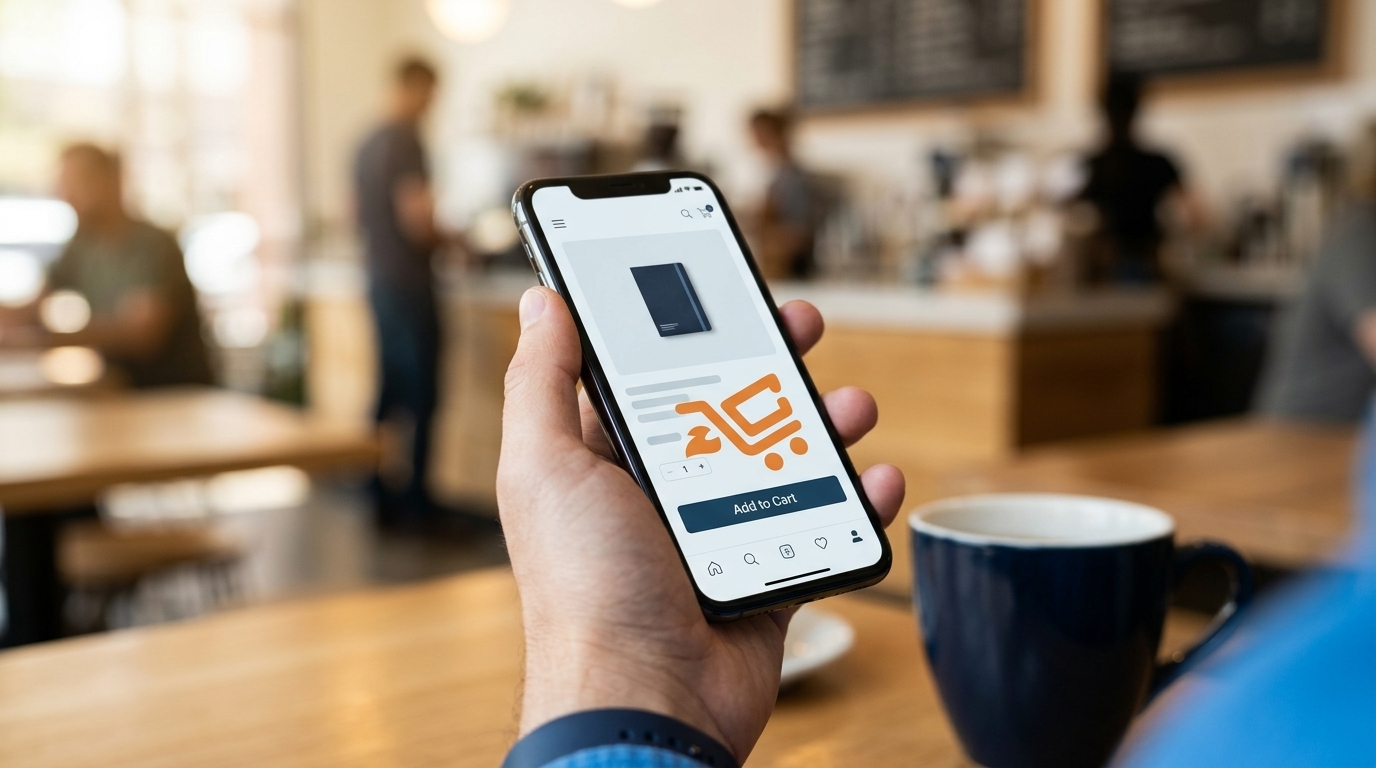
Launch CRM is an integrated operating system replacing multiple paid tools for email, SMS, and sales funnels, with Launch Cart as the ecommerce store building capability that allows entrepreneurs to run online stores natively within the CRM. A free ecommerce store becomes sustainable when it integrates with your business operations instead of standing alone.
Set up your product catalog by importing items from your dropship supplier or print-on-demand partner, then connect payment processing with redundancy across multiple processors to prevent account freeze disasters. Integrated commerce systems replace the ten separate paid tools most small businesses use with one platform that handles contacts, pipelines, email, SMS, booking, and checkout.
Building your store there means you own your customer data and control your follow-up without facing subscription renewals that threaten your business continuity.
4. Automate Product Descriptions and Pricing with AI
AI platforms automatically generate product descriptions and update pricing in real time when supplier costs change, eliminating the need to hire copywriters or spend hours writing listings yourself. Connect your store to AI tools that pull product data from your supplier and create SEO optimized descriptions.
Businesses using automated ad platforms have documented reducing cost per lead from $27 to $9 by letting AI handle targeting and bidding faster than manual management. AI adds capacity to your team by covering hours nobody is working and catching what falls through the cracks during busy periods.
When you integrate AI into your ecommerce stack at the platform level rather than stacking separate apps, the automation stays connected to your customer records, inventory data, and profit tracking.
5. Drive Free Traffic and Own Your Customer Data
Database reactivation generates cash by messaging existing contacts you already have for free, whether old leads in a spreadsheet, past customers in your phone, or subscribers in a previous email tool. Own your email list from day one by collecting addresses at checkout and in every interaction, because a contact you control is an asset you can message forever.
Use social media for free traffic by posting content that drives people to your owned list rather than keeping them on the platform. An ecommerce SEO audit is a process of evaluating a website's search engine visibility and fixing technical leaks without paying for tools.
Check that every product page has a unique title tag including your product name and category, a meta description under 160 characters, and at least one image with descriptive alt text. Test your site speed using Google PageSpeed Insights and confirm your store works on mobile devices without horizontal scrolling. Review internal links to ensure category and product pages connect logically, and fix broken links that waste SEO value.
If you study ecommerce business examples that grew without ad spend, you'll see they owned their customer data, messaged that list consistently, and fixed conversion leaks before buying traffic.
6. Avoid Common Mistakes That Kill Zero-Budget Launches
Most owners think they have a traffic problem when they actually have a leak problem in their funnel covering leads, conversion, purchase frequency, and repeat buyers. Adding traffic to a leaking funnel just makes the waste more expensive, so fix the offer and follow-up before spending on ads.
Relying on a single payment processor like Stripe or PayPal creates hidden risk that can end a business overnight when accounts freeze due to chargeback ratios or policy changes. Build redundancy from day one by connecting at least two processors so you can switch instantly when one goes down.
Starting with paid ads before testing the offer wastes money because if one hundred visitors don't buy, one thousand visitors won't buy either. A live imperfect funnel outearns a beautiful one still sitting in draft mode, so test before you invest.
Take the Next Step
You now have the blueprint for starting an ecommerce business without money by choosing a zero-inventory model, building your store inside a connected CRM, automating the work AI can handle, and driving free traffic to a list you own.
If you're ready to replace your stack of disconnected tools with one AI-powered system that handles your store, contacts, email, SMS, and follow-up, learn more about Launch Commerce and how Launch CRM works for American business owners who want to build scalable operations.
Frequently asked questions
How can I start an ecommerce business with no money?
Use a dropshipping or print-on-demand model to eliminate inventory costs, build your store on a free platform like Launch Cart inside Launch CRM, and drive traffic by reactivating old contacts and using organic social media instead of paid ads. Collect email addresses from day one so you own your customer list rather than renting an audience on someone else's platform.
What is the cheapest way to start an ecommerce business?
Register as a sole proprietorship with a DBA filing at your county clerk for under fifty dollars, use a free ecommerce store builder that integrates with email and SMS so you don't pay for multiple tools, and automate product descriptions and pricing with AI to avoid hiring copywriters. This approach keeps your total startup cost below one hundred dollars while giving you professional infrastructure.
Can you start a Shopify store with zero dollars?
No, Shopify charges a monthly subscription fee starting at around thirty dollars. Launch Cart inside Launch CRM offers a free ecommerce store as part of an integrated system. For true zero-dollar operation, you need a platform that provides the store as part of a larger ecosystem rather than charging separately for it.
Is it possible to do dropshipping with zero dollars?
Yes, if you use a free store platform and only purchase inventory after a customer pays you. You'll need a way to process payments, which may carry transaction fees but no upfront cost. Focus on suppliers that don't require membership fees or minimum order quantities and let you operate on a pay-as-you-sell model.
Which AI ecommerce automation platforms offer automatic product descriptions and pricing updates for US online stores?
Launch CRM integrates AI tools that generate product descriptions and sync pricing from supplier feeds. These platforms pull product data, write SEO optimized copy, and update prices in real time. The best systems handle both content generation and price monitoring as a unified workflow rather than separate tasks.
What are the best sole proprietorship business examples for ecommerce beginners?
Print-on-demand stores selling custom apparel or home goods under a personal brand, dropshipping operations selling general products sourced from suppliers without holding inventory, and digital product or membership sites offering courses, templates, or subscription content. All three models let you operate legally as a sole proprietor while keeping overhead near zero.
How do I conduct a free ecommerce SEO audit to improve my rankings?
Check that every product page has a unique title tag, meta description, and at least one image with descriptive alt text. Test your site speed and mobile usability using free tools like Google PageSpeed Insights. Review internal links to ensure category and product pages connect logically, and fix broken links that waste the rankings you already earned.
What are the main types of ecommerce models for those with no budget?
Dropshipping, where you sell products fulfilled by a third party supplier, print on demand where items are created only after purchase, and digital products and memberships which have zero fulfillment cost and instant delivery. Each model eliminates the barrier of inventory investment and lets you validate demand before committing capital.
Is a free ecommerce store actually sustainable for a long-term business?
Yes, when the store integrates with CRM, email, and automation instead of standing alone. Launch Cart inside Launch CRM provides enterprise features at no additional store cost because the value is in the connected ecosystem. A store that talks to your contacts, email sequences, and sales funnels is fundamentally more valuable than a standalone cart.