
Real Target Market Examples for Service and Retail Teams
Last updated September 16, 2026
A target market is the specific group of buyers most likely to purchase your product or service, defined by shared traits. Examples include a local HVAC company targeting suburban homeowners with units over 10 years old, or a B2B bookkeeper serving law firms with 5 to 15 employees.
Table of contents
- Key takeaways
- Prerequisites for Defining Your Market
- Copyable Target Market Examples
- Understanding the Four Segmentation Lenses
- The Difference Between Target Market and Audience
- How to Define Your Target Market for an Online Store
- 1. Audit your current customer list
- 2. Identify the core purchase motivations
- 3. Group customers into segments
- 4. Draft your target market statement
- 5. Implement your definition in Launch CRM
- Common Mistakes When Choosing a Market
- Frequently asked questions
Key takeaways
- Precision defines profit. Target markets define the specific buyers most likely to purchase based on shared traits rather than broad, expensive outreach.
- Local focus matters. Local service businesses rely heavily on geographic and demographic segmentation to ensure serviceability and lead quality.
- B2B requires firmographics. B2B target markets require firmographic data like industry type, company size, and revenue brackets to identify ideal accounts.
- Data drives retail. Online stores define markets using behavioral data such as repeat purchase frequency and average order value to find high-value buyers.
- Systems enable action. Implementation happens by turning market definitions into CRM segments and ad audiences that trigger automated follow-up.
Prerequisites for Defining Your Market
You can't reach your best customers until you have the data that proves who they really are. This isn't a guessing game. It's a clinical review of your existing wins. Set aside the time to do it right.
Start with what you have. It's free. Your current customer list, your website analytics, and your order history all hold clues. Paid research tools can come later. The goal is to stop marketing to everyone and start reaching the specific group that rings the cash register. Without this foundation, you're just pouring money into a leaky bucket, where traffic comes in but profit drains out.
Copyable Target Market Examples
 A target market is not your whole audience. It's a slice of it, made up of customers who share common traits. As Qualtrics: Target Market Definition, Purpose, and Examples explains, you can group them by demographics, psychographics, behaviors, or location. Seeing these traits in action helps you visualize your own ideal customer.
Here are six real-world examples for small businesses:
- HVAC Contractor. Homeowners in your service area with higher household incomes and older homes. They prioritize energy efficiency and can afford a full system replacement.
- Dental Practice. Parents aged 30 to 50 within a 15-minute drive of your office. They have private insurance and want a specialist who is great with kids.
- Law Firm (Estate Planning). Older married couples with significant assets. They want to protect their family legacy and avoid probate.
- B2B Bookkeeping. Professional service firms of a certain size and revenue. They're big enough to need oversight but too small for a full-time CFO.
- Local eCommerce Store. Gift buyers in Southern California who buy American-made products in eco-friendly packaging. They shop with their values and will pay more for it.
- Business Coaching. Solo entrepreneurs making $100K to $250K. They feel stuck doing manual tasks and know they need systems to grow without working more hours.
Get specific. Use ranges, like consumers aged 25 to 45 or firms in a certain industry. This focus lets you craft messages that feel like a direct conversation with the buyer.
Understanding the Four Segmentation Lenses
Market segmentation just means splitting a big audience into smaller, manageable groups. A target market definition uses a few different lenses to create these groups, a concept detailed in a Coursera: How Do You Identify and Define Your Target Market?.
- Demographic segmentation. This groups buyers by age, income, education, and family status. It tells you who can actually afford what you sell. A luxury spa, for example, targets high-income women aged 35 to 55.
- Geographic segmentation. This uses location data like zip codes, neighborhoods, or drive time. It's the lifeblood of any local contractor who needs to keep travel costs from eating their profits.
- Psychographic segmentation. This is about values, interests, and lifestyle. It explains why two people with the same income buy differently. One wants status. The other wants rugged durability.
- Behavioral segmentation. This tracks how often people buy and their loyalty to your brand. It’s the key to increasing purchase frequency because it flags your best repeat buyers.
- Firmographics. For B2B, you also need to look at company data. This includes industry, company size, revenue, budgets, and how they make buying decisions.
When you look through all these lenses, you get a sharp, multi-dimensional picture of your customer. Instead of just "a person who needs a plumber," you see "a homeowner in an older neighborhood who values quick response times and books appointments online."
The Difference Between Target Market and Audience
Don't confuse these terms. It costs you money. People use them interchangeably, but the differences change how you spend your marketing budget.
Your target market is the specific group of buyers you built your product for. This is the "who" of your business, defined by long-term traits. Your target audience, on the other hand, is the broader group a specific marketing message reaches right now. It might include your target market plus people who are just curious or buying a gift. A buyer persona is a story you tell to make the data feel human, with a name like "Suburban Steve" or "Founder Fiona."
If you run a small team, pick one primary target market. Just one. Spreading your limited budget too thin is a recipe for failure. If you try to speak to everyone, you end up resonating with no one. Stay focused, get a better product-market fit, and watch your ad returns climb.
How to Define Your Target Market for an Online Store
Defining your market for an online store means looking at your actual sales data. No guesswork. Your store's order data reveals the patterns that point to your most profitable segments.
Practical Rule: The fastest money in your business is usually in your database. Reactivating old leads costs nothing compared to buying new traffic.
Start in your Launch CART order data. Find your top customers by lifetime value. Once you know who spends the most, look at what they bought first. That's your most effective entry point for new customers. Next, analyze how often they buy. Does your market buy once for an occasion, or do they need a subscription to stay engaged?
Also look for geographic clusters. These are the places where shipping is cheap and fast, and they often deliver higher profit margins. For an even clearer picture, use Launch Data to identify anonymous visitors on your site. This shows you if the people browsing match your buyer profile or if you're attracting the wrong crowd. With this data, you can build a strategy that reaches real buyers through email, SMS, and targeted ads.
1. Audit your current customer list
Your best information comes from people who already paid you. Start there. Export your customer data from your CRM and look for patterns in geography and spending. Find the threads that connect your best sales.
Pinpoint the customers who deliver the most profit with the least amount of support work. These are your ideal clients. What problem did they have before they hired you? Were they all sweating through a heatwave with a broken AC, or were they all business owners drowning in manual data entry? Look for repeating traits like job titles, age brackets, or specific neighborhoods. This audit turns your gut feeling into a data-backed plan you can use to grow.
2. Identify the core purchase motivations
Find the real reason they buy from you. It's rarely just price. Most buyers are looking for security, status, or to get their time back. Figure out the trigger event that pushed them from searching to buying. For a service business, it's often a system failure. For retail, it might be a lifestyle change or a new season.
Ask your best customers. Why you? Not the closer or cheaper competitor? Pay attention to the exact words they use in reviews or emails. If a homeowner says they worried about their family's safety during a power outage, their motivation is security, not just a generator install. These psychographic traits, as experts at Qualtrics note, explain why two people with the same demographics act differently. Once you understand the "why" behind the purchase, you can refine your messaging to speak directly to those needs.
3. Group customers into segments
Splitting your broad audience into smaller, distinct segments makes your marketing feel personal. Split your list into a few clear groups based on the segmentation lenses. For example, a contractor might have a segment for "Emergency Repair Homeowners" and another for "Planned Upgrade Property Managers." This is called differentiated marketing, and it works because each group gets a message tailored to their budget, timeline, and needs.
Make sure your product actually solves a problem for each segment. One or two highly profitable segments are far better than five groups that barely move the needle. Discard any segment that's too small to be profitable or too expensive to reach. For teams of 1 to 20, focusing on a specific niche is often the fastest way to dominate a local market.
4. Draft your target market statement
Write it down. A clear, two-sentence summary that defines exactly who you serve and the result you provide. Use a simple formula: [Who] in [Place] with [Trait] who need [Outcome] and will pay [Price]. For example: "Suburban homeowners in a specific geographic area with older homes who need energy-efficient window replacements and are willing to pay a premium for a permanent solution."
Keep the statement concise. Every member of your team should be able to memorize it and use it to qualify leads. Focus on your primary market first. Now, test your statement against your last five sales. Does it reflect reality? If your last five customers don't fit the description, your definition is a fantasy. A strong, practical statement is the North Star for all your marketing.
5. Implement your definition in Launch CRM
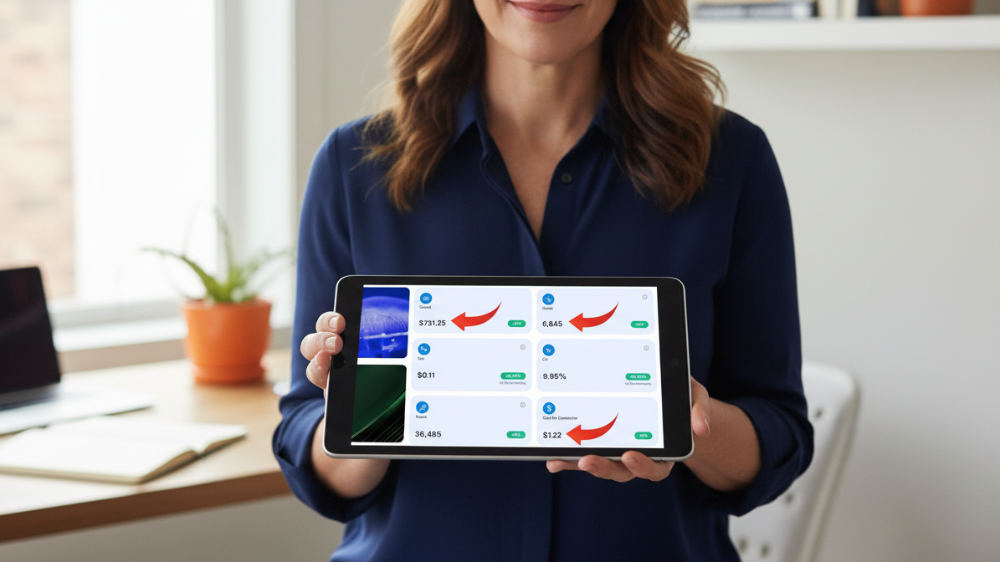 A definition is worthless until you put it to work. So use it. Go into Launch CRM and create smart lists based on the demographics and behaviors you just identified. These lists let you separate high-value prospects from general inquiries, so you can prioritize your follow-up.
Watch Out: Building your business on social media is building on rented land. Always use your target market definition to grow an email and SMS list you own.
Once your segments are organized, sync them to Launch Ads to build high-precision audiences. This ensures your ad spend only reaches people who fit your ideal buyer profile. Next, automate your follow-up sequences so every lead in a specific segment gets a tailored message that speaks to their unique problems. Monitor your dashboard. Are these segments producing actual customers or just clicks? By measuring the cost to acquire a customer within each segment, you can cut the losers, feed the winners, and optimize your budget for the highest possible return.
Common Mistakes When Choosing a Market
The most frequent mistake is targeting a market that is too broad. It's like pouring money into a leaky bucket without seeing a return. Small teams often guess at demographics instead of using the first-party data from their own website and store. This results in messages that fail because they're based on assumptions, not behavior.
Another error is failing to revisit the definition. The market changes. A niche that worked three years ago may be oversaturated today. Don't choose a segment that is too small for a team of 1 to 20 to sustain long term, unless you sell very high-ticket items. And never ignore the one-time buyer. That person could become a repeat customer if you use automated sequences to stay in touch.
Frequently asked questions
What happens if my target market is too broad?
When your target market is too broad, your marketing message becomes generic and fails to resonate. You spend more money on ads to reach people who have zero intention of buying. Your conversion rates drop because your offer doesn't feel like a perfect fit for the reader's unique problems.
How often should I revisit my target market?
You should review your market segments periodically to ensure they still align with your actual sales data. Update your definition immediately if you launch a new product or enter a new geographic region. It is also wise to check your metrics if your cost per lead starts to rise significantly over a sustained period.
Is a niche the same as a target market?
A niche is a more specialized corner of a target market, like "holistic dentists" within the broader dental market. Niche marketing is often the best strategy for smaller teams to dominate a specific space. While the target market is the broad category, the niche is the specific competitive advantage you claim to win customers.
Can a target market be too small?
Yes, a market is too small if there are not enough potential buyers to reach your annual revenue goals. It is also considered too narrow if the cost to acquire one customer is higher than their total lifetime value. This strategy, known as micromarketing, typically only works for very high-ticket items with massive profit margins.
What free tools can I use to research a target market?
Use your own Google Business Profile insights to see where your current local leads live and how they find you. You can also check United States Census Bureau data for local income and age demographics in your specific zip codes. Analyzing competitor reviews is another free way to identify underserved gaps and common customer complaints.
Defining your target market is the single most important step in moving from a business that struggles for leads to one that grows predictably. Use the real-world examples and the five-step process from this article. Stop guessing. Start reaching the buyers most likely to say yes. Once you have drafted your statement, you can keep building your targeting skills to master advanced segmentation and ad strategies. Focus on your best customers, refine your message, and put your data to work in your CRM today.