
8 Performance Marketing Examples That Prove Every Dollar Counts
Last updated November 16, 2026
Performance marketing delivers measurable outcomes for every advertising dollar spent. These eight examples show how businesses pay only for actions like clicks, sales, and sign-ups rather than guesses about reach. Every case is backed by documented results from real campaigns.
Table of contents
- 1. Performance marketing ensures you pay only for specific actions like clicks or sales.
- 2. Real-time optimization allows you to adjust campaigns immediately to prevent wasted budget.
- 3. Return on Ad Spend (ROAS) acts as the ultimate metric for profitability.
- 4. Paid search allows you to capture intent by appearing at the top of search results.
- 5. Retargeting strategies keep your brand in front of prospects who already visited your site.
- 6. Display advertising reaches specific demographics through targeted visual banners.
- 7. Native advertising integrates your message seamlessly into the user's content experience.
- 8. Influencer marketing leverages third-party credibility to drive measurable conversions.
- How Performance Marketing Differs From Brand Marketing
- Managing Marketing Information From Multiple Ad Platforms
- Using AI To Improve Performance Marketing Outcomes
- How To Structure Digital Marketing Packages For Small Business Clients
- What To Do Next
- Frequently asked questions
1. Performance marketing ensures you pay only for specific actions like clicks or sales.
Advertisers pay platforms based on results achieved rather than potential reach. Common payment models include Cost Per Click (CPC), where you pay each time someone clicks your ad, and Cost Per Acquisition (CPA), where payment occurs only when a customer completes a purchase or signs up. This model works well for organizations wanting to reach a large audience without paying for passive views that may never convert.
The difference between performance marketing and traditional advertising comes down to accountability. Traditional campaigns charge for impressions and estimated eyeballs. Performance marketing charges for the action you actually need. Launch Ads allows businesses to manage campaigns across 11 different platforms from a single dashboard, so you can track which actions drive revenue without hiring an expensive agency. When your ad spend connects directly to your sales data, every dollar becomes a decision backed by proof instead of hope.
Source: Aarif Habeeb
2. Real-time optimization allows you to adjust campaigns immediately to prevent wasted budget.
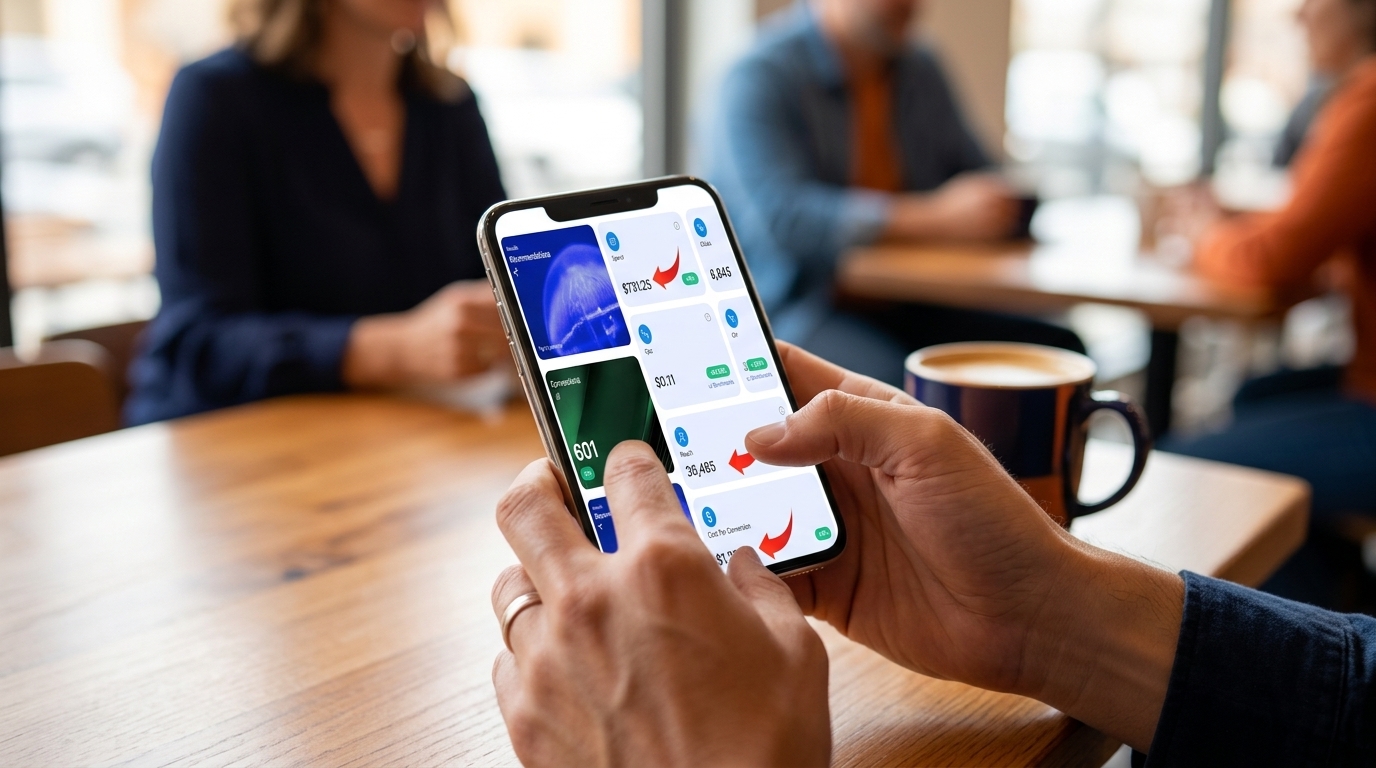
Data-driven decisions are made using real metrics rather than intuition or guesswork. Campaigns can be modified on the fly to improve efficiency, cutting losing ads before they drain your budget and scaling winners while they still work. This speed helps in capturing business opportunities that traditional marketing might miss, because the market changes faster than monthly meetings.
Most businesses wait until the end of the month to review campaign performance, then spend another week deciding what to change. By that point the opportunity is gone. Launch Data provides first-party pixel data to identify anonymous website visitors, giving you the enriched profiles needed for better retargeting accuracy without waiting days for third-party reports. See who clicked, what they looked at, and whether they bought. Adjust on Tuesday instead of waiting for the monthly review meeting.
Source: Convert Cake
3. Return on Ad Spend (ROAS) acts as the ultimate metric for profitability.
ROAS measures the amount of revenue earned for every dollar spent on advertising. It helps businesses identify which specific channels are driving the most profit, and which ones are burning cash to generate clicks that never convert. Tracking this metric ensures marketing stays aligned with overall business growth instead of wandering off into vanity metrics like reach and engagement.
A three-to-one ROAS means you made three dollars for every dollar spent. A one-to-one ROAS means you broke even. Anything below one means you paid for the privilege of losing money. When your ad platform connects directly to your CRM and checkout, you see which campaigns produced actual customers instead of just clicks. That visibility is the difference between guessing what works and knowing what works. Most platforms show you impressions and clicks. Performance marketing shows you revenue.
Source: Convert Cake
4. Paid search allows you to capture intent by appearing at the top of search results.
Commonly known as Pay Per Click (PPC) advertising on engines like Google, paid search puts your ad in front of people actively searching for what you sell. Ads are triggered by specific keywords entered by potential customers, so you only show up when someone is already looking for your solution. It's highly effective for catching buyers at the exact moment they're looking for a solution.
For a service business targeting a local area, paid search turns high-intent searches into booked appointments within hours. Someone searches "HVAC repair near me" at ten at night, clicks your ad, lands on your booking page, and schedules for tomorrow morning. That sequence happens because you paid for the click, not because they stumbled across your brand awareness campaign three months ago and remembered your name. Paid search works because it meets demand instead of creating it.
Source: Banyan Brain
5. Retargeting strategies keep your brand in front of prospects who already visited your site.
Retargeting focuses on showing ads to users who have previously interacted with your brand. It serves as a reminder to potential customers to complete a purchase or sign up, catching them on the second, third, or tenth visit after they bounced the first time. This is a key component for maximizing the value of initial traffic spend, because most buyers don't convert on the first visit.
Someone lands on your product page, looks around, and leaves. Retargeting puts your ad in front of them the next day while they're scrolling social media or reading the news. First-party data makes retargeting more accurate because you know exactly who visited, what they looked at, and how close they came to buying. Instead of guessing which audience might be interested, you show ads to people who already proved their interest by spending time on your site.
Source: Banyan Brain
6. Display advertising reaches specific demographics through targeted visual banners.
Display ads consist of images or videos placed on third-party websites. Placement can be automated through programmatic marketing for efficiency, buying ad space across thousands of sites in real time based on the audience viewing each page. Success is measured through impressions (charged as Cost Per Mille for every thousand views) and clicks (charged as Cost Per Click).
Display campaigns work best when paired with strong follow-up, because a banner click is only valuable if someone responds before the prospect forgets. A visitor clicks your display ad, lands on your page, and fills out a form. Without automated follow-up that lead goes cold in hours. With it, an AI employee sends a text within sixty seconds, books the call, and keeps the conversation moving until the prospect becomes a customer. The ad brought them in. The system closed them.
Source: Banyan Brain
7. Native advertising integrates your message seamlessly into the user's content experience.
Ads are designed to match the look and feel of the platform where they appear. They often appear as sponsored or recommended content on news sites and blogs, sitting in the feed alongside editorial articles instead of flashing in the sidebar. Native ads typically see higher engagement because they don't disrupt the user experience.
This approach works well for professional services and coaching businesses that need to educate before they sell. A financial advisor can't close someone with a banner ad. But a native ad that looks like an article, titled something like "Three Mistakes Retirees Make With Their First Withdrawal," can pull the reader into a longer conversation that builds trust. By the time they reach the call to action, they've spent five minutes reading your advice and they're warm instead of cold.
Source: Banyan Brain
8. Influencer marketing leverages third-party credibility to drive measurable conversions.
Brands partner with individuals who have a following in a specific niche. Performance is often tracked via unique promo codes or affiliate links, so you know exactly which influencer drove which sale. This channel blends brand awareness with direct response outcomes, because the influencer introduces your product to an audience that already trusts their opinion.
For ecommerce businesses, influencer partnerships can deliver both immediate sales and long-term customer acquisition when the audience aligns with the product. A skincare brand sends free products to five micro-influencers with audiences of twenty thousand followers each. Each influencer shares a unique discount code. Within a week, you know which influencer's audience actually bought, and you double down on that relationship while cutting the others. The influencer earns a commission on every sale, so their incentive is aligned with yours. You pay for results, not for follower counts.
Source: Banyan Brain
How Performance Marketing Differs From Brand Marketing
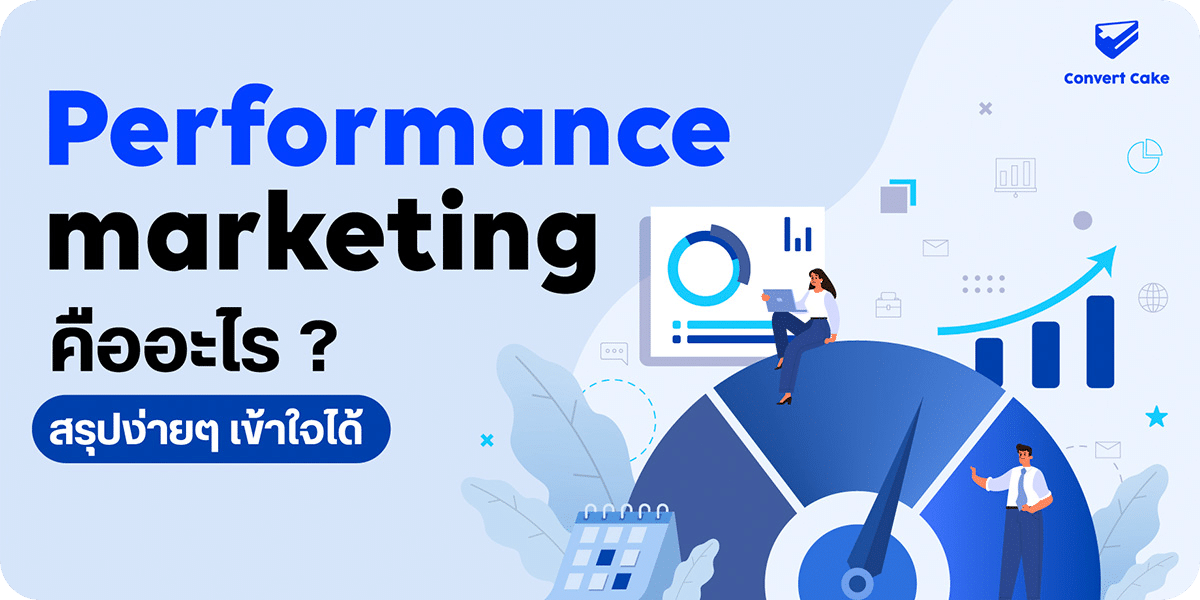
Image source: convertcake.com
Brand marketing focuses on awareness, reach, and impression volume with payment made upfront regardless of outcome. Performance marketing ties every dollar spent to a trackable action like a click, a form fill, or a purchase. Brand campaigns are measured in surveys, sentiment, and recall. Performance campaigns are measured in cost per lead and return on ad spend.
A national consumer brand might spend millions on television commercials to plant their name in the minds of millions of people, knowing that most viewers will never buy. The goal is long-term recognition, not immediate revenue. That strategy makes sense when you have the budget to wait years for the payoff. For small businesses with limited budgets, performance marketing removes the guesswork and ensures marketing dollars produce measurable results instead of vague promises about future awareness.
Digital marketing is an umbrella term with performance marketing as a specific results-oriented subtype. You can run digital campaigns that function like brand campaigns, paying for reach and hoping for lift. Or you can run digital campaigns that pay only when someone takes the action you defined, which is performance marketing. The platforms are the same. The accountability is different.
Source: Aarif Habeeb
Managing Marketing Information From Multiple Ad Platforms
Most small businesses run campaigns across Google, Facebook, Instagram, LinkedIn, and other channels, each with its own dashboard and reporting format. Marketing information management means collecting, organizing, and acting on the data generated by those campaigns so you know which platforms drive actual revenue. Without a unified view, you make decisions based on incomplete data and waste budget on channels that look good in isolation but produce no buyers.
A contractor runs Google ads that generate form fills and Facebook ads that generate phone calls. Google's dashboard shows fifty leads. Facebook's dashboard shows thirty calls. Without a system that connects both platforms to closed jobs, the contractor has no idea which channel produced actual customers. Maybe Google's fifty leads resulted in zero jobs while Facebook's thirty calls closed ten. Or maybe the opposite. You can't know unless your marketing information flows into one place where it ties to revenue.
Managing this process across platforms without outside help is where many businesses struggle. Consolidating campaign management across multiple platforms into one dashboard makes the entire workflow visible. When performance data flows directly into a customer system you see which ad produced which customer. For businesses running services for clients, centralized reporting is the difference between proving ROI and losing the account. When marketing information management is handled correctly, every campaign decision is backed by real revenue attribution rather than surface-level click counts.
Using AI To Improve Performance Marketing Outcomes
AI marketing for ecommerce and service businesses automates the repetitive tasks that eat up time without adding revenue, like bid adjustments, audience testing, and creative rotation. Tools that handle lead follow-up after the click occurs help you capture the value of every ad dollar instead of losing leads to slow response times. Speed decides the sale more than skill does. AI voice agents answer the phone and book appointments around the clock without missing a single inbound call from your campaigns.
Most businesses lose more revenue to unanswered phones and slow follow-up than to bad advertising. AI closes that gap without adding headcount. A roofing company runs Facebook ads that generate thirty calls per week. Ten come in during business hours and get answered. Twenty come in at night or on weekends and go to voicemail. Even if half of those twenty people leave a message, only a fraction will still be interested by Monday morning when someone finally calls them back. An AI voice agent answers all thirty calls, qualifies the lead, books the inspection, and sends a confirmation text. The company just captured twenty leads that used to disappear.
The Launch Commerce ecosystem is American-built and founded on the values of faith, family, and freedom, delivering the tools entrepreneurs need to compete without relying on offshore platforms or agencies that don't share their priorities. AI is a mechanism and an amplifier, not a strategy. It makes a good offer reach more people faster while exposing a weak offer more quickly.
How To Structure Digital Marketing Packages For Small Business Clients

A complete digital marketing package for small business needs includes paid search, retargeting, social ads, landing pages, CRM follow-up, and performance tracking. Most agencies sell pieces of that stack and leave the client stitching together disconnected tools, which creates gaps where leads and revenue disappear. The entire performance marketing workflow consolidates into one platform when business owners get the funnel, the CRM, the ads, the follow-up, and the reporting without paying for six separate subscriptions.
For DTC digital marketing, speed and attribution matter more than creative brilliance, because the brand that responds first and tracks cleanest wins the customer. A direct-to-consumer supplement brand runs Instagram ads, and the click lands on a product page. The visitor adds to cart but doesn't check out. Without retargeting and abandoned-cart follow-up, that visitor is gone. With it, the visitor sees a retargeting ad an hour later, receives an email reminder that evening, and gets a text the next morning offering free shipping. One of those touches closes the sale.
Business-to-business marketing requires longer nurture cycles and multi-touch attribution, which means your CRM must connect to your ad platform so you know which touches contributed to the closed deal. A software company runs LinkedIn ads to IT directors. The first click downloads a whitepaper. The second click watches a demo video. The third click books a sales call. The deal closes ninety days later. Without attribution, you have no idea which of those three ads mattered most. Whether you're selling to consumers or other businesses, performance marketing works when every component of the system talks to the others and nothing falls through the cracks.
What To Do Next
Start by identifying which paid channels you're already running and whether you can tie each one to actual revenue or just to clicks and impressions. If you're managing campaigns across multiple platforms, consolidate reporting so you make decisions based on profit, not vanity metrics. Turn on automated follow-up for every lead source, especially after-hours traffic, because the speed of response determines who wins the sale.
If you need help setting up a performance marketing ecosystem that connects your ads, your CRM, your follow-up, and your revenue tracking, reach out to our team at [email protected] and we'll walk you through how Launch Commerce handles it all in one place. You can also explore step-by-step training on building and optimizing performance campaigns, where you'll find full courses on ads, funnels, automation, and attribution.
The businesses that grow fastest aren't the ones with the best product. They're the ones who implement. Pick one gap in your current system and close it this week. Maybe that means turning on retargeting for your existing traffic, connecting your ad accounts to your CRM, or setting up an AI agent to answer after-hours calls. Every improvement compounds. One small change this week becomes ten more customers this quarter, and that momentum builds into the kind of growth that makes competitors wonder what you know that they don't.
Frequently asked questions
Image source: aarifhabeeb.com
What is performance marketing?
Performance marketing is a results-based advertising model where businesses pay only when a specific action occurs, such as a click, lead, sale, or sign-up. Unlike traditional brand marketing that charges for reach and impressions, performance marketing ties every dollar spent to a measurable outcome. Common payment structures include Cost Per Click (CPC), Cost Per Acquisition (CPA), and Cost Per Mille (CPM).
How does performance marketing differ from brand marketing?
Brand marketing focuses on awareness, sentiment, and long-term recall, with payment made upfront regardless of immediate results. Performance marketing tracks specific actions and pays only when those actions happen, making it more accountable and measurable. Brand campaigns are measured through surveys and reach, while performance campaigns are measured through cost per lead and return on ad spend.
What are examples of performance marketing channels?
Paid search on platforms like Google is one option, where advertisers pay per click on keyword-triggered ads. Retargeting campaigns show ads to users who previously visited your website or engaged with your content. Affiliate marketing, native advertising, display ads, influencer partnerships, and social media ads all fall under performance marketing when payment is tied to results.
How do you measure performance marketing ROI?
Return on Ad Spend is the primary metric, calculated as total revenue generated divided by total ad spend. Cost per acquisition shows how much you pay to acquire one customer, lead, or conversion. Track which channels, campaigns, and creatives drive actual revenue by connecting your ad platforms to your CRM and checkout system for full attribution.
What is marketing information management and why does it matter for ads?
Marketing information management is the process of collecting, organizing, and analyzing data from all your advertising channels so you can make decisions based on complete information. Without centralized data, you rely on fragmented reports from each platform and miss the full picture of which campaigns produce profitable customers. Unified dashboards and CRM integration ensure every ad dollar is tracked from click to close, so you invest more in what works and cut what doesn't.
Can you provide a target market example for a service business?
A residential HVAC company might target homeowners aged thirty-five to sixty-five within a twenty-five-mile radius who own single-family homes built before 2000 and have household incomes above seventy-five thousand. A family law attorney could target women aged thirty to fifty in specific zip codes who have recently searched for divorce or custody keywords. Target market examples for business-to-business marketing might include software companies targeting IT directors at firms with fifty to five hundred employees in specific industries.
How does AI marketing for ecommerce improve my ad spend?
AI automates bid adjustments, audience testing, and creative rotation so your campaigns optimize faster without manual monitoring. AI-powered lead follow-up captures more conversions from the same traffic by responding instantly and nurturing prospects until they buy. First-party data and AI-driven attribution show which products, audiences, and creatives produce the highest return, so you scale what works and kill what doesn't.
What should be included in digital marketing packages for small business?
A complete package includes paid search, social ads, retargeting, landing pages, CRM integration, email and SMS follow-up, and unified performance reporting. The package should connect every piece so leads flow from ad click to contact record to automated follow-up without manual handoffs or data gaps. Small businesses need tools that talk to each other rather than a stack of disconnected subscriptions that require expensive agencies to manage.
Performance marketing works when you measure what matters and pay only for results that move your business forward. The eight examples in this guide prove that accountability drives better decisions, and better decisions drive more revenue per dollar spent. If you're ready to build a performance marketing system that tracks every click to every customer, contact our team for help connecting your ads, your follow-up, and your revenue in one place.