
8 Inside Sales Statistics That Change How You Sell in 2026
Last updated September 9, 2026
Inside sales is selling done remotely through phone, email, video, and chat instead of traveling to meet customers face to face. These 8 evidence-backed facts come from HubSpot, Coursera, and monday.com research. They show how remote selling cuts costs, scales faster, and works for businesses beyond software.
Table of contents
- 1. Inside sales can cut the cost of selling by 40 to 60% compared with field sales.
- 2. Top inside sales reps handle 40 to 60 active opportunities at the same time.
- 3. Splitting qualification from closing can shorten your sales cycle by 25 to 40%.
- 4. Teams that track call-to-meeting rate, email response, and pipeline velocity beat teams selling on instinct.
- 5. Inside sales works most effectively when marketing and sales align on lead quality.
- 6. Inside sales is not telemarketing, and the difference is structure and intent, not location.
- 7. Because everything happens remotely, inside sales scales without geographic limits.
- 8. Inside sales reps earn a median of $118,000 a year, about $16,000 less than outside sales reps.
- How to Choose Between Inside and Field Sales Based on Your Business Model
- The Minimum Tech Stack to Run Inside Sales Without Logging Into Five Tools
- Where AI Fits on a Small Inside Sales Team Without Replacing People
- Frequently asked questions
1. Inside sales can cut the cost of selling by 40 to 60% compared with field sales.
Remote execution removes travel expenses while letting reps engage more prospects every day across wider geographies. monday.com reports the savings come without sacrificing results. This is why remote selling quietly became the default growth model for modern teams.
Field sales carries windshield time, meals, and territory constraints. Remote selling removes it all. A desk based rep with a phone and Launch CRM can work leads across 3 states before lunch. Meanwhile, a field rep is still driving to the first appointment.
The cost difference is more than gas. It involves office space, vehicle allowances, and the opportunity cost of hours spent commuting instead of closing. If you sell anything consultative, a desk based rep with a phone and a CRM can cover the territory a traveling rep would drive, at a fraction of the cost. I would pick this model every time because it stops you from overspending on duct tape and logistics.
Source: monday.com
2. Top inside sales reps handle 40 to 60 active opportunities at the same time.
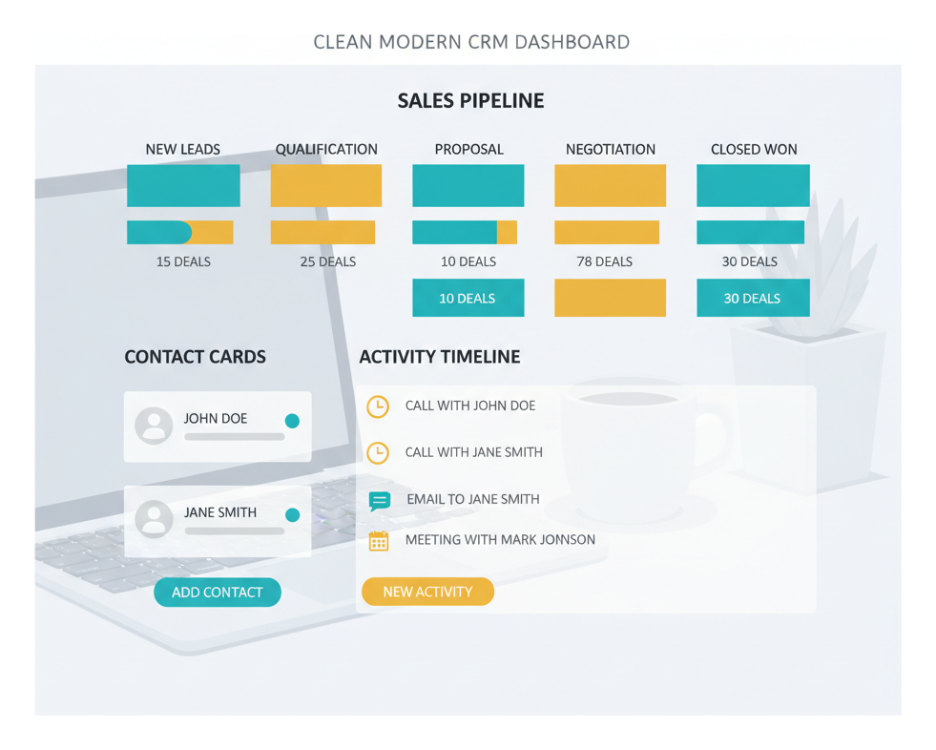
Virtual selling enables higher deal volume through faster meetings and fewer scheduling constraints. High performers keep many deals alive. Remote meetings compress the calendar that field visits usually eat up.
A field rep might run 3 in person meetings in a day. An inside rep can run 8 video calls, send 20 personalized follow ups, and update the pipeline before 5 o'clock. Volume compounds when every call starts and ends on time. Nobody loses an hour to traffic.
Visibility is the key to managing that volume. If those 40 to 60 opportunities live in a notebook or across 5 different tools, deals will fall through the cracks. Set volume expectations around 40 to 60 live deals per rep. Give them one pipeline where all of it is visible.
Source: monday.com
3. Splitting qualification from closing can shorten your sales cycle by 25 to 40%.
Assigning SDRs to qualification and AEs to closing improves focus. Expertise and handoff clarity grow throughout the pipeline. Specialization works. Each role gets good at one job instead of doing everything part time.
When one person prospects, qualifies, demos, and negotiates, none of it gets done at an expert level. Split those tasks. Each rep develops deep skill in their lane. The SDR gets better at spotting real buyers. The AE gets better at handling objections and moving contracts across the line.
Clarity matters as much as specialization. A clear definition of what constitutes a qualified lead prevents arguments and wasted time. Document this in the CRM with fields that must be filled before the handoff happens. Even a 2 person team can split it. One owner generates and qualifies leads while the other runs demos and closes.
Source: monday.com
4. Teams that track call-to-meeting rate, email response, and pipeline velocity beat teams selling on instinct.
monday.com reports that teams relying on sales data outperform intuition led selling. The metrics that matter most are call to meeting rates and email responses. Pipeline velocity is the third pillar.
Call to meeting rate tells you how good your qualification is. If 10 calls only produce 1 meeting, something is broken in the list or the pitch. Email response tells you whether your follow up is relevant or ignored. Pipeline velocity tells you how long deals sit in each stage and where they stall.
Tracking makes performance gaps visible. It makes them repeatable. Coaching can then target the real problem instead of a hunch. Without data you are guessing which rep needs help. With data you know exactly where the breakdown happens. Pick 3 numbers, review them weekly, and coach to the weakest one.
Source: monday.com
5. Inside sales works most effectively when marketing and sales align on lead quality.
HubSpot describes reps and marketers collaborating on one lead generation and conversion process. Marketing generates the qualified leads. The rep's job is to work them fast and well.
When marketing throws unvetted names over the fence, reps waste hours. They chase people who never had a budget or intent. When reps ignore good leads because they do not trust the source, marketing spend gets flushed. The handoff needs a shared definition of what qualified means.
Connect your ads and website capture straight into your CRM. Every lead should land in a pipeline with an owner and a follow up task attached. Launch CRM connects forms, ads, calls, and texts into one contact record. Nothing lives in a separate tool. Nobody has to ask where a lead came from.
Source: HubSpot
6. Inside sales is not telemarketing, and the difference is structure and intent, not location.
monday.com separates inside sales from telemarketing based on structure. Telemarketing is volume based and scripted. Inside sales is consultative. It is personalized and built around a structured pipeline with qualification at every stage.
Buyers are comfortable asking detailed questions in shared docs. They make high value decisions without ever sitting across a table. The channel does not limit the complexity of the sale. What limits it is whether the rep treats the call as a number to hit or a problem to solve.
If your process is one scripted call with no next step, you have built telemarketing. Inside sales needs qualification and follow up every time. That means a CRM and a defined pipeline. Use automation to ensure the 3rd, 5th, and 9th touch actually happen instead of being forgotten when the day gets busy.
Source: monday.com
7. Because everything happens remotely, inside sales scales without geographic limits.
monday.com lists scale without geographic limits as a core benefit. Reps reach wider territories from one location. No travel budget and fewer scheduling constraints mean growth isn't capped by where your office sits. A rep in Texas can work prospects in Oregon and Pennsylvania on the same afternoon. They do not burn a tank of gas or a night in a hotel.
This builds flexible careers. It widens your hiring pool to remote reps. You are not limited to hiring whoever lives within commuting distance. You can hire the best person for the role regardless of their zip code. They can work from wherever they are most productive.
Territory no longer sets your ceiling. Your follow up process does. Most small teams hit capacity because nobody answers the phone after 5 or remembers to send the 3rd email. Fix that and you can cover the country with 2 reps.
Source: monday.com
8. Inside sales reps earn a median of $118,000 a year, about $16,000 less than outside sales reps.

Coursera puts the total median salary for inside sales reps at $118,000. Outside sales reps sit at $134,000. Both figures are total median salary. The comparison is apples to apples between remote and field roles. The gap reflects the difference in cost structure and the longer cycles that field selling typically requires.
That $16,000 difference is budget you can redirect. Put it into lead generation and tooling instead of windshield time. For the price of 1 field rep covering 3 states, you can hire an inside rep and fund their CRM. You still have budget left for paid ads that fill their calendar. The math works because the inside model removes the hidden costs that field sales buries in mileage and meals.
Source: Coursera
How to Choose Between Inside and Field Sales Based on Your Business Model
Start with ticket size. Field sales makes sense when deal value covers the cost of travel and relationship building. Inside sales works when volume and speed matter more than face time.
Consider your service area. If you serve a tight geographic zone and most customers expect you to show up, field sales is the play. If you can deliver remotely or your market spans states, inside sales removes the travel tax on every deal.
Look at how your customers actually buy. If they sign contracts after one demo, remote selling closes the deal faster. If they need to touch the product or walk the facility, send someone.
Most businesses land somewhere in the middle. Hybrid models work well. Let inside reps qualify and tee up the deal. Then send a field rep only when the opportunity justifies the trip.
The worst mistake is forcing a model that fights the way your customer wants to buy. Let the buyer journey tell you which path to take.
The Minimum Tech Stack to Run Inside Sales Without Logging Into Five Tools
You need a CRM that holds every contact and every deal stage in one place. Without it, your reps are keeping notes in their heads. They might use spreadsheets nobody else can see.
You need a business phone system that logs calls and records conversations. Ties every dial to a contact record. Missed call text back should fire automatically so speed wins the lead.
You need email and SMS inside the same system. Follow up has to be fast and personalized. If it is not tracked, it does not happen consistently.
You need appointment booking with calendar sync. If the prospect has to email back and forth to find a time, half of them never book.
You need pipeline visibility. Every rep and every manager sees the same stages and the same next steps. You should see stalled deals without a morning standup.
Launch CRM handles all 5 natively. No integrations. No extra logins. No monthly SaaS stack that costs more than the rep. One system and one price. Everything talks to everything else.
Most owners are paying for a scheduler, an email tool, and a text platform. You are not overspending on marketing. You are overspending on duct tape.
Where AI Fits on a Small Inside Sales Team Without Replacing People
AI adds capacity. It does not replace your reps. It handles the work that falls through the cracks when your team is on another call or off the clock.
AI voice agents answer the phone after hours and on weekends. They book appointments and answer common questions. They route urgent calls to a human. This means leads that used to go to voicemail now turn into booked calendar slots.
Automated follow up keeps deals alive when a rep forgets. The system sends the 2nd email and the 3rd text. It sends the 90 day reactivation message without anyone remembering to do it manually.
AI doesn't decide strategy. It doesn't build relationships. It executes the process you define so your people can spend their hours on the conversations that actually close deals.
Launch AI Workforce includes done for you AI employees. They answer calls and follow up on leads around the clock. We install it, train it on your business, and hand you the keys. Your team handles what humans do best. AI covers the rest.
The businesses that grow fastest aren't the ones replacing people with machines. They are the ones using machines to make sure no lead and no follow up ever gets missed.
Frequently asked questions

What is inside sales exactly?
Inside sales is selling done remotely over phone, email, video, and chat instead of traveling to meet customers face to face. Reps work from one location and use technology to engage prospects. They run demos and close deals without ever sitting across a table. It is not telemarketing. Inside sales is consultative and built around a structured pipeline with qualification and follow up at every stage.
How does inside sales differ from field sales?
Inside sales happens remotely through phone, email, and video. Field sales requires traveling to meet customers in person. Inside reps handle higher volumes of prospects with shorter sales cycles. Field reps work fewer deals with longer cycles and higher ticket values. Cost structure is different. Inside sales removes travel expenses and scales without geographic limits. Field sales carries windshield time and territory constraints.
What does an inside sales representative do day to day?
Reps prospect for new leads and qualify inbound inquiries. They move opportunities through a defined pipeline. They run product demos over video and handle objections by phone and email. They negotiate terms and close contracts without face to face meetings. Good reps also manage post sale relationships and track every touchpoint in the CRM. They follow up consistently until the deal closes or dies.
Can inside sales handle complex or high-ticket deals?
Yes. Buyers are comfortable making high value decisions through remote channels as long as the process is consultative. Complex deals still need multiple touchpoints and tailored proposals. Inside sales delivers all of that through video and shared documents. The limit isn't ticket size. The limit is whether your customer needs to touch the product or walk a facility before they sign.
What tools do inside sales teams use?
A CRM is the foundation. It holds contacts and tracks deal stages. It logs every conversation and automates follow up. Teams also need a business phone system with call logging and missed call text back. They need email and SMS capability. Video conferencing and appointment booking with calendar sync are also vital. Launch CRM includes all of it in one platform: CRM, phone, email, SMS, booking, and pipelines without extra logins.
Can inside sales work for a local service business, or is it only for software companies?
Inside sales works for any business where the first conversation can happen remotely. HVAC, dental, legal, and other service businesses use it to book appointments and qualify projects. Field visits still happen when the work requires it. Inside sales handles everything up to that point so your techs only roll when the deal is real. Most local service businesses lose more revenue to unanswered phones than to bad marketing. Inside sales plus AI voice agents means every call gets answered and every lead gets worked.
If your inside sales process is a whiteboard and a rolodex, you are leaving half your pipeline on the table. Book a discovery call. We will show you how one system replaces 5 logins. We will show how AI covers the hours your reps do not work. The right setup turns remote selling into your fastest path to growth.
Wake up every day with an attitude of gratitude and tell somebody you love them.